
Expert Tips on Navigating Property Insurance in El Paso


Understanding the Basics of Property Insurance
Property insurance is an essential safeguard for homeowners, offering financial protection against unforeseen damages or losses. In El Paso, where natural events like storms and floods can pose significant risks, having the right insurance policy is crucial. Understanding the basics of property insurance involves knowing the types of coverage available, such as dwelling, personal property, and liability coverage.
Dwelling coverage typically protects the structure of your home, while personal property coverage insures your belongings. Liability coverage, on the other hand, offers protection if someone is injured on your property. Familiarizing yourself with these components can help you make informed decisions when selecting a policy.

Choosing the Right Coverage
Selecting the right property insurance coverage in El Paso requires a careful assessment of your needs. Consider factors like the age and condition of your home, its location, and any potential hazards in the area. It's also important to evaluate your personal belongings and determine their value to ensure adequate protection.
Working with an experienced insurance agent can be beneficial in navigating the complexities of property insurance. They can assist you in comparing different policies and finding one that offers comprehensive protection at a competitive rate. Remember, the cheapest policy may not always provide the best coverage.
Additional Coverage Options
In addition to standard coverage, you may want to consider additional options to enhance your protection. For example, flood insurance is crucial in El Paso due to the city's susceptibility to heavy rains and flash floods. Earthquake coverage might also be worth considering given the region's geological activity.

Understanding Policy Exclusions
One of the most critical aspects of property insurance is understanding what is not covered by your policy. Common exclusions might include damage from natural wear and tear, certain natural disasters, or neglect. Being aware of these exclusions can prevent unexpected surprises when filing a claim.
To address potential gaps in coverage, discuss any concerns with your insurance provider. They can offer additional endorsements or riders to cover specific risks not included in your primary policy. This proactive approach ensures you have comprehensive protection tailored to your needs.
Filing a Claim Successfully
In the unfortunate event that you need to file a claim, understanding the process can make it less stressful. Start by documenting the damage with photographs and detailed descriptions. Contact your insurance provider as soon as possible to report the loss and follow their instructions carefully.
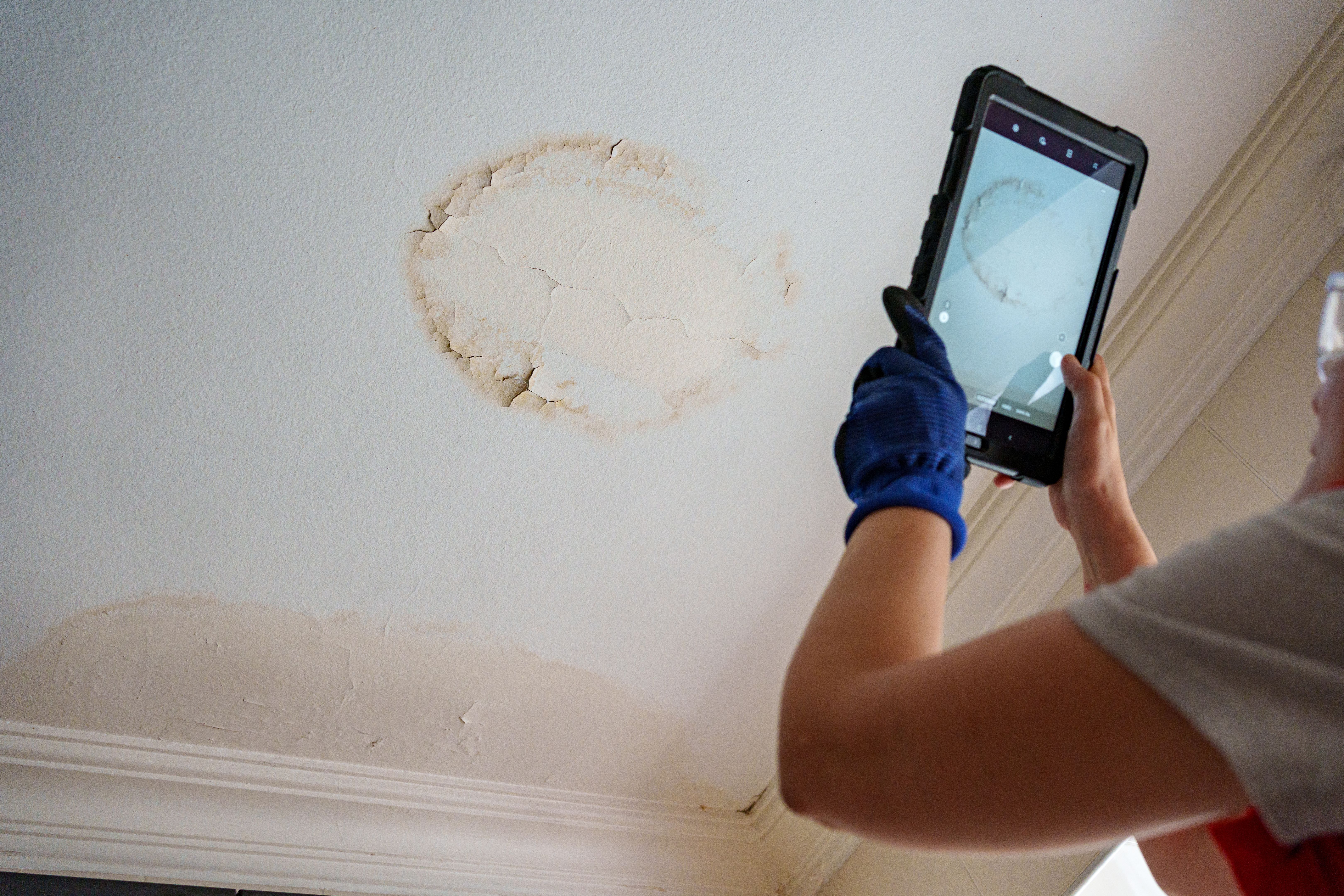
Keep records of all communications and expenses related to the claim. This documentation is crucial for a smooth claims process and can help expedite settlement. Don’t hesitate to ask questions if you need clarification on any part of the claim procedure.
Maintaining Your Coverage
Regularly reviewing your policy is essential to ensure it continues to meet your evolving needs. Life changes such as home renovations, acquiring valuable items, or changes in local building codes can all impact your insurance requirements.
A periodic check-in with your insurance agent can help you adjust your coverage accordingly. Staying informed about any changes in policy terms or premiums will help you maintain optimal protection without unexpected hikes in costs.